We Own Your Glass
Posted on: Tuesday, September 22, 2026 at 03:42PM
Lately it has been great in this modern dystopian of tech feudalism and greed. In the current landscape, it seems like TV manufacturers are now taking their turn being grimy with data collection and monetization.
From LG’s “We own the glass.” To Roku filing patents to advertise on HDMI inputs . And then Vizio requiring Walmart signins on their new sets . It seems like every TV manufacturer is downright fanatical about advertising to you, the customer.
Update, already
As of writing this, yet another company did something that proves this fanatical behavior over slinging more ads. Microsoft patents system to freeze games and inject ads during downtimes . Yep, can’t make things up.
Slowing Economy
With skyrocketing utility bills, diminishing savings, higher consumer debts, and AI-induced job loss; consumers are starting to spend less and less money. These companies are looking for ways to try to increase consumer spending again.
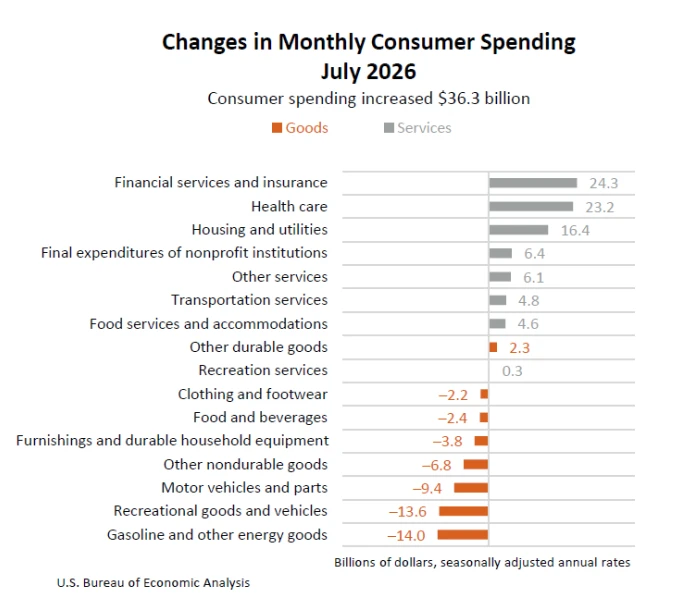
And this new energy towards advertising to everyone, everywhere might be an experiment to try to fix this problem just by slinging more ads at people.
But it may backfire on them because looking at the numbers, it seems like not a lot of people are looking to spend when they’re already concentrating on spending what they have on the bare necessities.
May have other repercussions
I actually dove into a rabbithole on this one. Just due to having one little thought: If people get advertised things they can no longer afford, can it increase depression levels?
In short yes, generally in low spending market conditions, excessive advertising can cause a 3% or more drop in life satisfaction. Similar rates as divorce.
Experts attribute it to other factors as well, such as unrealistic imagery of happiness, thin-ideal body imagery, etc.
But part of me wonders if it could be people seeing the ads, then realizing they cannot afford the nice things displayed in the ad. Because if an advertisement of a new Mercedes plays in front of a mother who can barely afford to keep her 15 year old Honda Civic on the road, how much will seeing promotions of a $70,000 car effect her?
I think these are questions needing answers before we resort to putting screens and ads everywhere.
A willing compromise
I could see this fanaticism if these items, like computers, game consoles, and TV’s are subsidized by the manufacturers; and they have to use income lines like advertising to make up for it.
When thinking of the economic impact of unpaid subsidies, part of me is wondering if we as consumers can reach some sort of compromise with TV and home appliance manufacturers; to be able to pay a one-time fee per device to be able to disable the extra ads on it.
Similar to what Amazon does when you buy a Kindle eReader. You can either pay off the subsidy upon checkout, and get no lockscreen ads for the life of the device. Or pay off the subsidy at any point for the same privilege during the rest of the device’s life.
It works out to be $20 to $30 for most Kindles which are $100-$300 devices. So TV’s that cost $400 or more, I could see one-time fee of $50 being a resonable ad reduction/elimination fee. Personally, I’d be willing to pay that.
Solution to the spending issue
Sometimes the best solution is the easiest one. Costs are already skyrocketing so those will either have to stabilize or be reduced. And/or wages will have to increase.
Some people are talking about going to Communism and that is not a solution in my mind’s eye because completely switching over our government and means of production without addressing underlying issues will cause undue hardship and won’t actually fix those issues as they’ll just transfer to the new system.

 I wrote this a little bit later but decided to post this on my website as well. On December 2nd, 2024; I lost my beloved Butterscotch to chronic kidney disease. She will be missed. This article is for her memory.